Author name: dillidehatse@gmail.com

Blog

The Digital Yuan Revolution: How China is Redefining Global Finance and Challenging Dollar Dominance

The Digital Yuan Revolution: How China is Redefining Global Finance and Challenging Dollar Dominance The world of finance is on the cusp of a revolution, and China is at the forefront. On March 17, 2025, the People’s Bank of China announced the launch of the digital RMB cross-border settlement system, connecting ten ASEAN countries and six Middle Eastern countries. This move marks a significant shift in the global financial landscape, one that threatens to upend the dominance of the US dollar. At the heart of this revolution is block chain technology, which has enabled China to develop a digital currency that is fast, secure, and efficient. The digital RMB can settle transactions in mere seconds, compared to the 3-5 day delay of traditional cross-border payments. This “lightning payment” capability has already been demonstrated in a test between Hong Kong and Abu Dhabi, where a company paid a Middle Eastern supplier in digital RMB, reducing handling fees by 98%. But what’s even more impressive is the technical moat that China has built around its digital currency. The blockchain technology underlying the digital RMB ensures transparent and traceable transactions, while also incorporating automated anti-money laundering (AML) controls. This has already attracted the attention of 23 central banks around the world, which have joined the digital currency bridge test. The implications of this technological revolution are far-reaching. For one, it marks a significant shift in the balance of financial power, with China emerging as a major player. The digital RMB has already been used in cross-border transactions worth over 1.2 trillion US dollars, and its adoption is expected to continue growing rapidly. Moreover, The digital RMB plays a dual role, not only facilitating payments but also providing a critical technological backbone for China’s expansive “Belt and Road” strategy. The digital RMB is being integrated with Beidou navigation and quantum communication to build a “Digital Silk Road”, which will increase trade efficiency by 400%. This integrated virtual and real-world approach poses a systemic challenge to the long-standing dominance of the US dollar, marking a significant shift in the global economic landscape. As the world grapples with the implications of this revolution, one thing is clear: the future of finance will be shaped by digital currencies, and China is leading the charge. The question is, will the rest of the world be able to keep up? The Rise of the Digital RMB: A New Era for Global Finance The launch of the digital RMB cross-border settlement system marks a significant milestone in the development of China’s digital currency. With its fast, secure, and efficient transactions, the digital RMB is poised to revolutionize the way we think about cross-border payments. But the implications of the digital RMB go far beyond just payments. It marks a significant shift in the balance of financial power, with China emerging as a major player. The digital RMB is also a technical carrier of China’s “Belt and Road” strategy, and its adoption is expected to continue growing rapidly. As the world grapples with the implications of this revolution, one thing is clear: the future of finance will be shaped by digital currencies, and China is leading the charge. The question is, will the rest of the world be able to keep up? Key Takeaways: The digital RMB cross-border settlement system has been launched, connecting ten ASEAN countries and six Middle Eastern countries. The digital RMB is fast, secure, and efficient, with transactions settling in mere seconds. The digital RMB is a technical carrier of China’s “Belt and Road” strategy, and its adoption is expected to continue growing rapidly. The digital RMB marks a significant shift in the balance of financial power, with China emerging as a major player. The future of finance will be shaped by digital currencies, and China is leading the charge. What’s Next? As the digital RMB continues to gain traction, we can expect to see a significant shift in the way we think about cross-border payments. The rise of digital currencies will also have implications for the balance of financial power, and the future of finance will be shaped by this technological revolution. One thing is clear: the world of finance will never be the same again. The question is, will you be ready for the changes that are coming?
Blog

India’s Road Sector: Transforming Infrastructure and Driving Growth

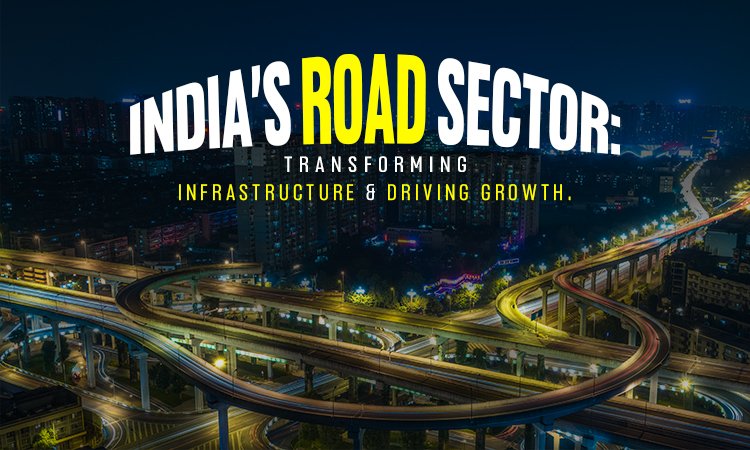
India’s Road Sector: Transforming Infrastructure and Driving Growth The road sector in India is experiencing an unprecedented phase of growth, with strong government support acting as the key catalyst behind its continued success. Over the past decade, the Ministry of Road Transport and Highways (MoRTH) has invested a staggering Rs 10 trillion in the construction and maintenance of national highways. This robust investment underscores the government’s commitment to developing world-class road infrastructure that will fuel economic growth and enhance connectivity across the country. National Highways Expansion: A Vision for the Future Currently, India’s national highway network spans approximately 146,150 km. But the government’s ambitions don’t stop there. By 2030, the goal is to expand the network to 185,000 km, and by 2047, to an impressive 237,000 km. This vision is part of a broader strategy to ensure seamless connectivity across the nation, bolstering trade, tourism, and economic development. As part of the ambitious Bharatmala Pariyojana, approximately 26,500 km of road length has already been awarded, and 17,500 km has been commissioned. The government is also pushing forward with the development of 27 Greenfield corridors, including expressways and access-controlled highways, covering a total of 9,860 km. Signature mega projects such as the Delhi-Mumbai Expressway, Ganga Expressway, and Chennai-Salem Expressway are already in progress and are expected to significantly enhance the connectivity between major cities and regions. Strengthening Rural Connectivity India’s rural road infrastructure is also seeing major upgrades. The Pradhan Mantri Gram Sadak Yojana (PMGSY) Phase IV has been approved, which will focus on the construction of 62,500 km of rural roads at an outlay of around Rs 700 billion. Scheduled for implementation from 2024-2029, this phase aims to improve access to remote areas, facilitating better economic opportunities and improved quality of life for rural populations. Reviving Public-Private Partnerships (PPP) through BOT Projects To invigorate private sector interest and attract much-needed investment, several key amendments have been made to the Build, Operate, Transfer (BOT) model for toll-based projects. These amendments include support for timely project completion, longer tolling periods, and an overall more attractive proposition for private investors. Under this revamped model, over 50 projects worth more than Rs 2.2 trillion and covering 5,200 km are expected to be bid out, with 15 of these projects (spanning 900 km) to be awarded in 2024-25. The success of this initiative will not only revive public-private partnerships (PPPs) but also create opportunities for faster, more efficient project delivery and contribute significantly to India’s infrastructure development. Asset Monetisation: A Smart Strategy for Raising Capital The concept of asset monetisation has emerged as a viable long-term strategy for raising capital to fund infrastructure projects. So far, over Rs 1 trillion has been raised through mechanisms like Infrastructure Investment Trusts (InvITs), toll-operate-transfer models, and securitisation. InvITs have gained immense popularity, with 13 InvITs currently operating in the sector, boasting a total enterprise value of Rs 1.3 trillion. These investment vehicles allow institutional investors to fund infrastructure projects while enabling the government to unlock capital for further development. The Future: Smart, Safe, and Sustainable Roads As the road sector continues to evolve, the focus is shifting towards creating smart, safe, and sustainable roads. The government is increasingly adopting innovative technologies and techniques to improve the quality and efficiency of road construction and maintenance. This includes the use of pre-cast techniques, digitalisation in construction and operations and maintenance (O&M), as well as the integration of alternative materials to make roads more durable and eco-friendly. The rise of satellite-based tolling, the development of electric highways, and the enhancement of wayside amenities are emerging trends that are set to redefine road infrastructure in India. These advancements aim to make travel more efficient, sustainable, and accessible to all. Multimodal Logistics Parks: Enhancing Logistics Efficiency In parallel with road development, the government is also working to enhance logistics efficiency through the creation of Multimodal Logistics Parks (MMLPs). These parks are designed to streamline the movement of goods by integrating various modes of transportation, such as road, rail, and waterways. So far, six MMLP projects have been awarded, with another six in the pipeline for the 2024-25 period. These parks will not only improve the supply chain but also help reduce logistics costs, which currently represent a significant portion of India’s GDP. Conclusion: A Platform for Future Growth The mission of upcoming conferences in this sector is clear: to highlight emerging trends, assess recent progress, identify new opportunities, and discuss strategies to fast-track project implementation. These events will also serve as a platform for showcasing groundbreaking projects, cutting-edge technologies, new construction techniques, and best practices that are helping to shape the future of India’s road infrastructure. The road sector in India is poised for a transformative phase. With strategic investments, policy reforms, and the focus on sustainability, India is on its way to building a road network that will support economic growth, improve quality of life, and position the country as a global leader in infrastructure development. As India marches towards its vision for 2030 and beyond, the road ahead looks brighter than ever.

Blog

Gurugram Police’s AI Revolution: How Technology is Transforming Law Enforcement

Gurugram Police’s AI Revolution: How Technology is Transforming Law Enforcement In a world where crime is becoming increasingly sophisticated, law enforcement agencies are stepping up their game by embracing cutting-edge technology. A recent initiative by the Gurugram Police has set a new benchmark for the use of artificial intelligence (AI) in maintaining road safety and combating crime. Over just two days, the police detected an astonishing 1,500 vehicles with fake number plates using an AI-powered system. This remarkable achievement highlights the transformative potential of technology in law enforcement. Let’s dive deeper into this groundbreaking move and its implications for the future. The AI-Powered Breakthrough In October 2024, the Gurugram Police implemented an advanced AI-powered vehicle number plate recognition system at two key checkpoints. Equipped with strategically placed CCTV cameras, the system scans vehicles in real-time, identifying fake number plates and immediately alerting authorities. But that’s not all—this smart technology goes a step further by scanning vehicles’ pollution and fitness certificates. If any document is found to be invalid or suspended, the system flags it, enabling swift action against violators. This dual functionality not only ensures road safety but also contributes to environmental sustainability by keeping polluting vehicles off the roads. The efficiency and accuracy of the system have made it a game-changer in law enforcement. Why This Matters The Gurugram Police’s initiative is a shining example of how AI can be leveraged for the greater good. Here’s why this step is so impactful: Enhanced Efficiency: Manual checks are time-consuming and prone to human error. The AI system automates the process, enabling authorities to detect violations quickly and accurately. Real-Time Alerts: By sending instant notifications to authorities, the system ensures immediate action against offenders, deterring future violations. Comprehensive Monitoring: Beyond fake number plates, the system also checks pollution and fitness certificates, addressing multiple road safety and environmental concerns simultaneously. Crime Prevention: As criminals adopt more advanced methods, law enforcement must stay ahead. AI-powered systems like this one empower police to tackle sophisticated crimes effectively. A Step Toward Smarter Law Enforcement The Gurugram Police’s use of AI is a testament to the potential of technology in transforming law enforcement. By integrating AI into their operations, they are not only making their jobs easier but also contributing to the country’s progress. This initiative aligns with the global trend of using AI for good—leveraging technology to solve real-world problems and improve quality of life. The Bigger Picture The success of this system in Gurugram raises an important question: Why isn’t this technology being implemented on a larger scale? As urbanization increases and traffic congestion worsens, cities across the world could benefit from similar AI-powered solutions. From reducing traffic violations to curbing pollution, the applications are endless. Moreover, this initiative underscores the importance of collaboration between technology providers and law enforcement agencies. By working together, they can develop innovative solutions that address the challenges of modern policing. What’s Your Take? The Gurugram Police’s AI-powered system is a brilliant step forward, but it’s just the beginning. As technology continues to evolve, so must our approach to law enforcement. What are your thoughts on this initiative? Do you think more cities should adopt similar systems? How else can AI be used to enhance public safety? Let’s start a conversation about the future of law enforcement and the role of technology in creating safer, smarter cities.

Past Event

Suwon ITS Asia Pacific Forum 2025

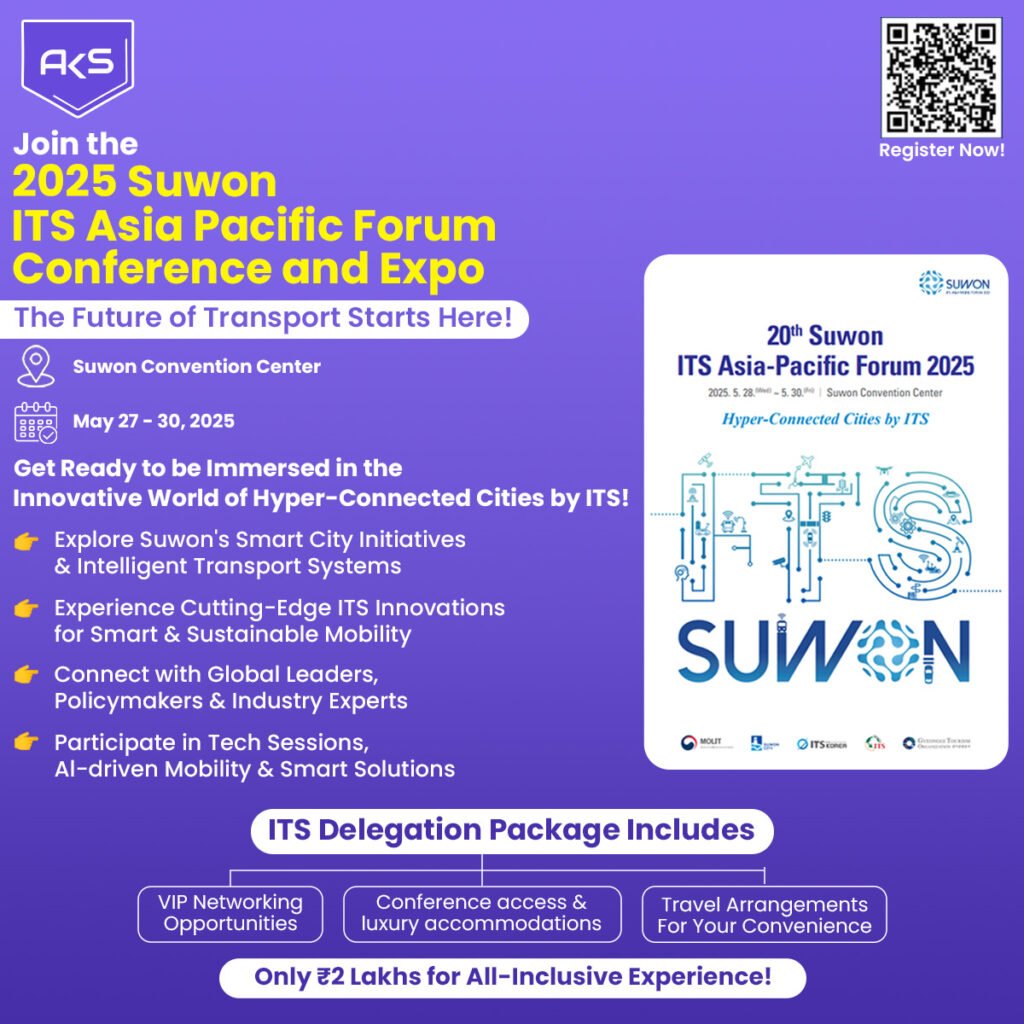
20th Suwon ITS Asia Pacific Forum 2025 Join the 2025 Suwon ITS Asia Pacific Forum & Expo – The Future of Transport Starts Here!  Mark Your Calendar: May 27 (Tue) – 30 (Fri), 2025 Location: Suwon Convention Center Get ready to be immersed in the innovative world of hyper-connected cities by ITS! Explore Suwon’s smart city initiatives and intelligent transport systems Experience cutting-edge ITS innovations for smart and sustainable mobility Connect with global leaders, policymakers, and industry experts Participate in tech sessions, Al-driven mobility, and smart solutions ITS Delegation Package Includes: VIP networking opportunities Conference access & luxury accommodations Seamless travel arrangements for your convenience

Past Event

Chief Guest Mr. Akhilesh Shrivastava at the Inauguration Ceremony of Aakaar IIT Bombay 2025!

Chief Guest Mr. Akhilesh Shrivastava at the Inauguration Ceremony of Aakaar IIT Bombay 2025! Exciting Announcement! We are honored to have Chief Guest Mr. Akhilesh Shrivastava at the Inauguration Ceremony of Aakaar IIT Bombay 2025! Get ready for a session filled with groundbreaking insights as Mr. Akhilesh Shrivastava delves into the Digital Footprint of Modern Infrastructure—an essential topic for aspiring engineers and innovators. His expertise will undoubtedly light the way for the future of civil engineering! Date: 22nd March 2025Time: 8:30 – 9:30 AM (Reporting Time: 8:15 AM)Venue: Lecture Theatre, P C Saxena Auditorium, IIT Bombay We can’t wait to kickstart this inspiring event filled with knowledge and innovation!

Blog

New Alliance Established to Promote Road User Charging Initiatives Across Asia-Pacific

New Alliance Established to Promote Road User Charging Initiatives Across Asia-Pacific A groundbreaking alliance has emerged in the Asia-Pacific region to champion road user charging (RUC) and intelligent transportation systems (ITS). Launched at the 2025 Smart Mobility Summit, the Asia-Pacific Road User Charging Alliance (APRUCA) unites ITS Taiwan, ITS Thailand, ITS India Forum, and ITS New Zealand, alongside transportation agencies and industry leaders. This coalition aims to foster collaboration, exchange expertise, and tackle regional transportation challenges through innovative road pricing and mobility solutions. FETC International and its parent company, FETC, co-hosted the summit and were instrumental in establishing the alliance. On March 19, 2025, in Taipei, the alliance was cemented with the signing of a Memorandum of Understanding (MOU) during the Smart Mobility Summit. This agreement commits members to share knowledge, shape policies, and deepen regional ties. The MOU also establishes a rotating host system for the Asia-Pacific Road User Charging gathering, offering a forum for policymakers, industry experts, and transportation professionals to develop cutting-edge solutions. Driving Smart Mobility Through Regional Unity Yi-Fang Shih, President of ITS Taiwan, highlighted the alliance’s importance, noting, “As Taipei gears up for the 2029 ITS World Congress, this alliance reflects our commitment to regional partnership. It’s poised to spark innovative ITS advancements across the Asia-Pacific and beyond.” The alliance will prioritize technologies like electronic toll collection, congestion pricing, and AI-powered traffic management, alongside data-driven pricing strategies. Dr. YC Chang, Chairman of the Board of Supervisors of ITS Taiwan, stressed the value of collective effort: “Together, we can craft sustainable, efficient road pricing systems that elevate transportation across the region.” Pioneering Sustainable Road Pricing Solutions Dr. Tongkarn Kaewchalermtong, President of ITS Thailand, emphasized RUC’s potential: “Road user charging is a game-changer for optimizing traffic and securing sustainable infrastructure funding. This alliance will help us align with global standards and practices.” Akhilesh Srivastava, the President of the ITS India Forum, is emphasizing the significance of a partnership in advancing global collaboration. His statement highlights that this partnership is a major step forward, especially in the context of innovation in “RUC” (which could refer to a specific technology or concept related to the forum’s focus) and working toward the goal of achieving net-zero emissions. Essentially, Srivastava is underscoring how this collaboration will drive progress in both technological innovation and environmental sustainability on a global scale. Armin Guttke, President of ITS New Zealand, underscored the alliance’s forward-looking vision: “We’re thrilled to be part of this effort. It’s essential for crafting effective road pricing solutions that boost economic growth, environmental health, and societal well-being through regional teamwork.” An Open Invitation to Collaborate The alliance welcomes participation from ITS organizations, transport agencies, and toll operators to join its mission of creating road user charging solutions that benefit all stakeholders—governments, operators, and drivers alike. By pooling regional expertise and encouraging cross-border cooperation, APRUCA aims to build a smarter, greener, and more efficient transportation future for the Asia-Pacific. This united endeavor marks a pivotal move toward overcoming regional mobility hurdles and laying the groundwork for equitable, innovative transportation systems.

Past Event

20th Annual Conference on Road Development in India

20th Annual Conference on Road Development in India Ensuring Safer Roads for a Better Tomorrow! Join us at the 20th Annual Conference on Road Development in India on March 11-12, 2025, at Le Meridien, New Delhi!Key Highlights: Latest road safety practices being adopted Interventions for rectifying black spots & reducing accidents Cutting-edge technology initiatives enhancing road safety Presentation by Akhilesh Srivastava, Road Safety Ambassador, International Road FederationBe part of the conversation shaping India’s road safety future! Save the date & stay tuned!

Past Event

SMART MOBILITY Road User Charging for SUMMIT 2025

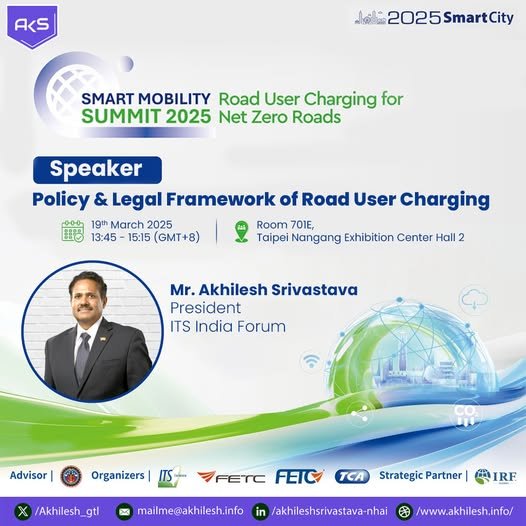
SMART MOBILITY Road User Charging for SUMMIT 2025 Explore the Policy & Legal Framework of Road User Charging at #SmartMobilitySummit2025! Join Mr. Akhilesh Srivastava (President, ITS India Forum) at #SmartMobilitySummit2025 as he shares expert insights on the Policy & Legal Framework of Road User Charging (RUC). With his extensive experience in ITS and digital transportation, this session is a must-attend for those looking to understand the evolving RUC landscape in the Asia-Pacific region.  Date: 19 March, 2025 Time: 13:45 – 15:15 p.m. (GMT+8) Location: Room 701E, Taipei Nangang Exhibition Center Hall 2 Be part of the conversation shaping the future of mobility!

Scroll to Top