New Technologies For Better Road Safety.
Insane traffic jams involving ambulances are a common occurrence on Indian roadways. While many people accept this reality meekly, linked cars may change how emergency vehicles are transported in the future.


Insane traffic jams involving ambulances are a common occurrence on Indian roadways. While many people accept this reality meekly, linked cars may change how emergency vehicles are transported in the future.

In 2021, the Indian construction industry grew by 17.1 percent, owing to the continuous loosening of limitations and increased construction activity in the road and highways sector.
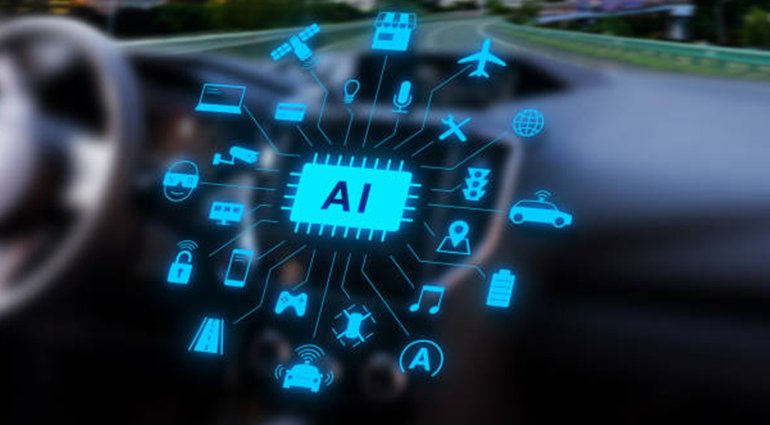
Road traffic incidents can be unpleasant and traumatic. What if technology could assist in their reduction? Artificial intelligence (AI)-powered solutions may soon make India’s roads safer to drive on.
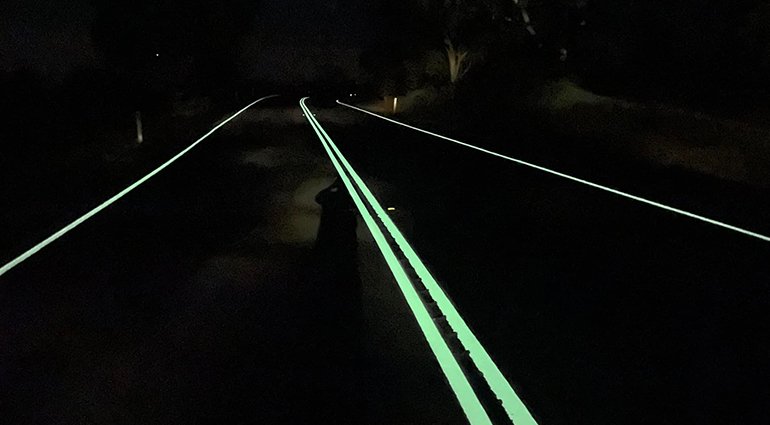
Driving at night may be difficult, especially when the weather is less than ideal. Seeing the road lines, for example, can be lifesaving in severe fog. That is why, even in perfect conditions, unmarked roads are intrinsically more dangerous.

The Ministry of Road Transport has recommended requiring highway builders to use cost-cutting value engineering approaches.
Insane traffic jams involving ambulances are a common occurrence on Indian roadways. While many people accept this reality meekly, linked cars may change how emergency vehicles are transported in the future.

In the twenty-first century, road accidents are a major source of concern for society, with the rate of “accidental deaths” per lakh people falling to 27.7 in 2020, down from 31.4 the previous year.
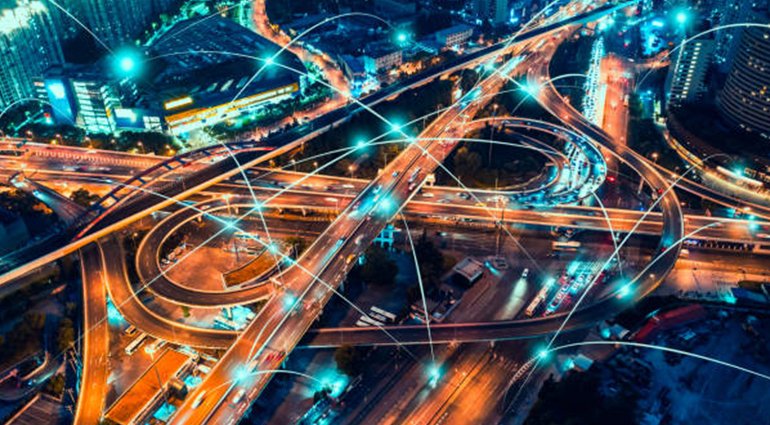
Insane traffic jams involving ambulances are a common occurrence on Indian roadways. While many people accept this reality meekly, linked cars may change how emergency vehicles are transported in the future.
It is estimated that road traffic accidents in India cost $15.71-38.81 billion, or 0.55–1.35 percent of the country’s GDP, according to a new study.
It has been proposed by the Ministry of Road Transport and Highways that a new rule 126E be inserted into the CMVR (Central Motor Vehicles Rules, 1989) relating to the Bharat New Car Assessment Program on 24th June 2022 (BNCAP).