
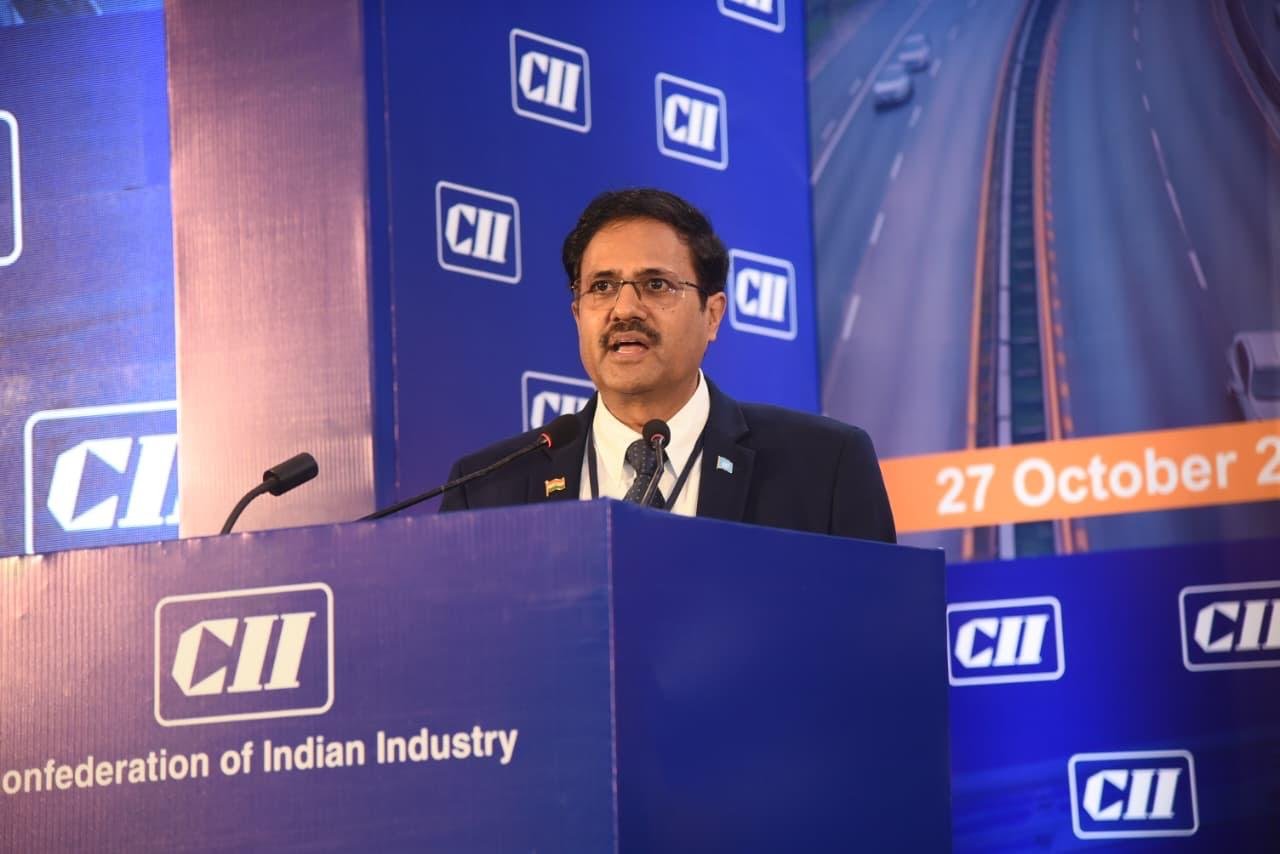
By Akhilesh Srivastava, President, ITS India Forum, and Co-Chair, CII Road Safety Committee
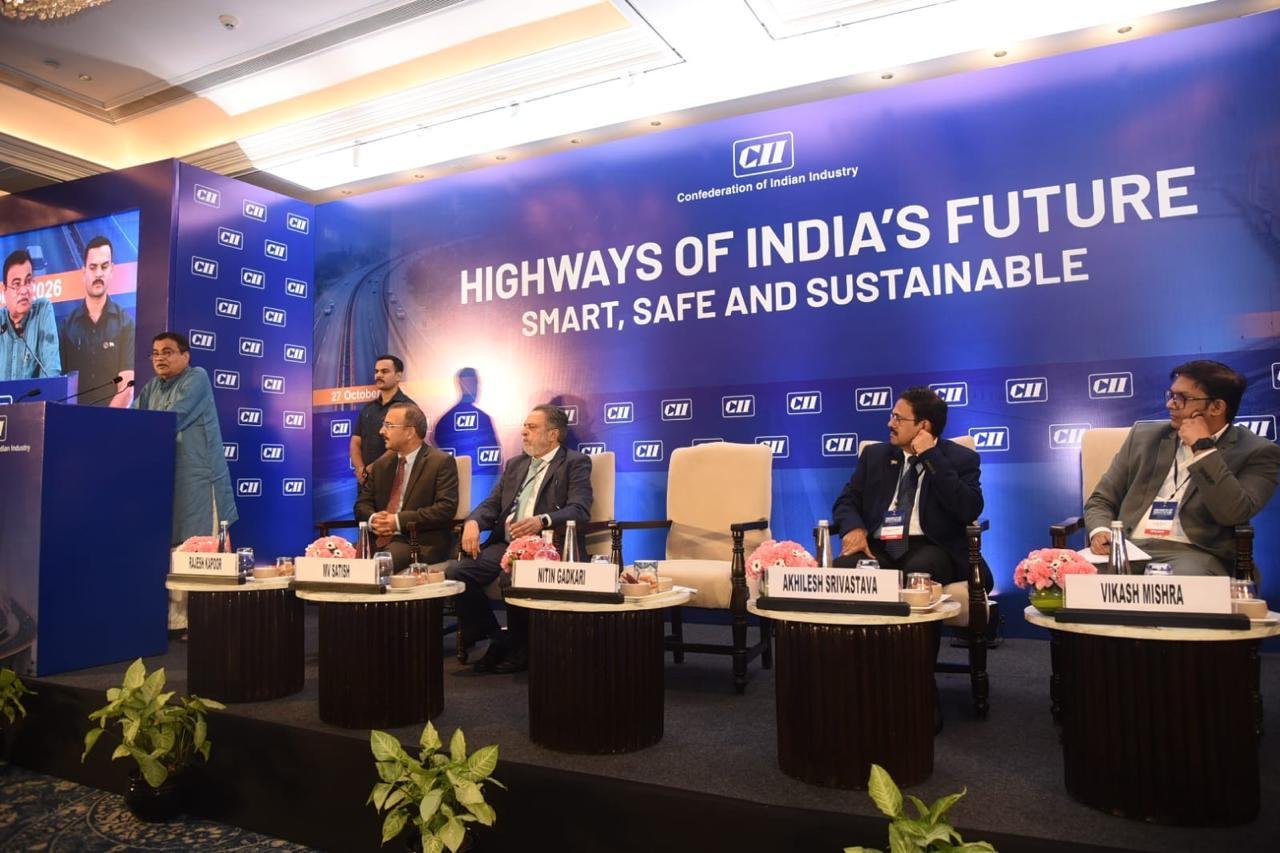
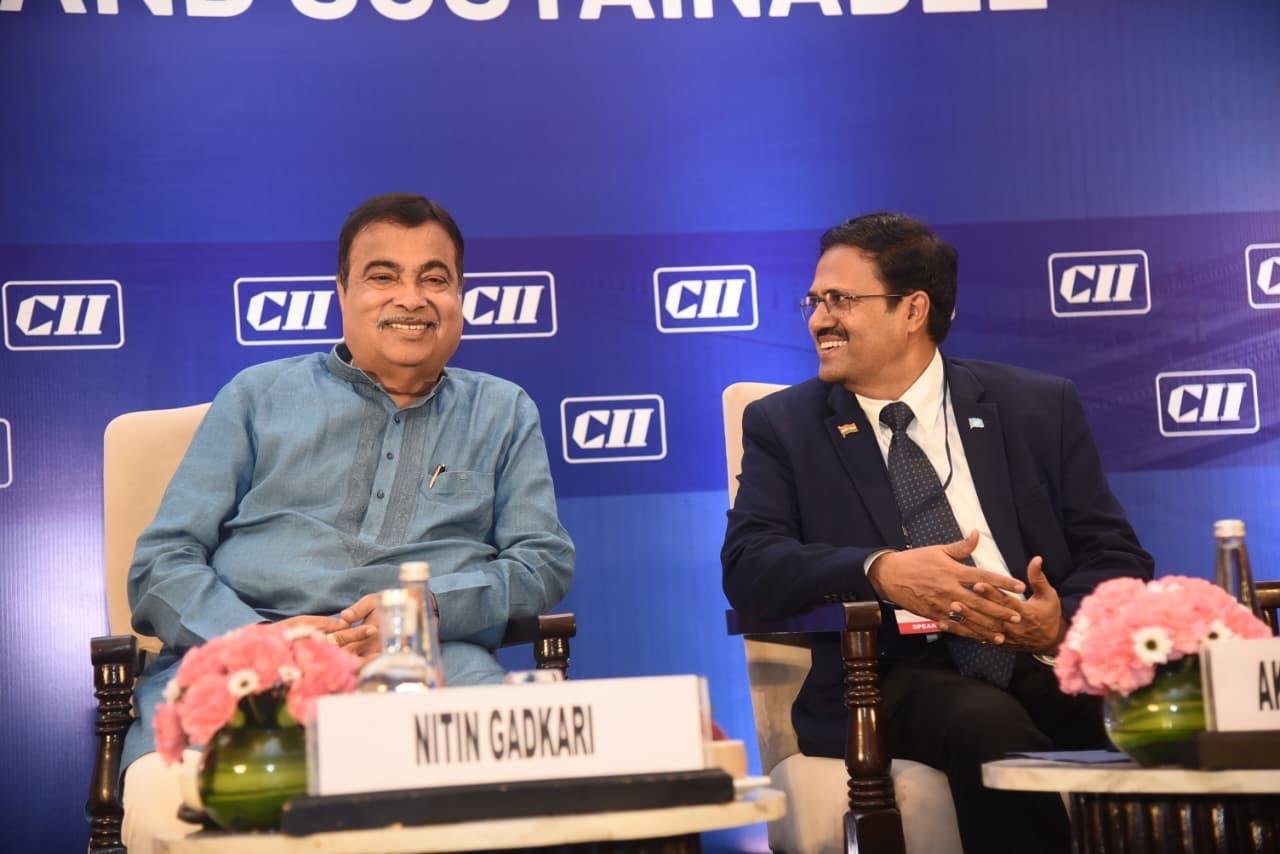
India is building highways at a speed the world admires. At the CII National Conference “Highways of India’s Future: Smart, Safe and Sustainable” in New Delhi, the question before us was simple: now that India is building fast, how do we make these roads the safest in the world?
Hon’ble Union Minister Shri Nitin Gadkari Ji set the tone with a powerful vision. India’s automobile industry has become the world’s 3rd largest, overtaking Japan, at about ₹22 lakh crore, and aims to be No. 1 within five years.
New expressways are shrinking distances: Delhi to Haridwar in about 90 minutes and Delhi to Meerut in 45–50 minutes, with 36 green expressways planned. India’s logistics cost has fallen from about 16% to below 9%.
His message on quality was firm: “Every pothole will be accounted for.” He also called for AI-based Advanced Traffic Management Systems (ATMS) to improve lane discipline and helmet and seat-belt compliance.
India lost 1,72,890 lives in 4,80,583 road crashes in 2023, according to MoRTH, which is about 20 lives every hour. Two-wheeler riders account for 44.8% of deaths and pedestrians another 20.4%. Two out of three people we lose are the most vulnerable road users.
For decades, road safety in India has been reactive: post-crash analysis, black-spot studies, ambulances and trauma care. These remain vital, but they act only after a life is lost or changed forever.
The next leap is proactive safety: avoiding the crash itself. This is where V2X (Vehicle-to-Everything) and AI change everything.
ATMS gives our highways eyes. V2X gives our vehicles a sixth sense.
ATMS watches the road with cameras and AI, detecting incidents and violations. V2X lets vehicles talk to each other about 10 times a second, sharing position, speed, direction and braking. Cameras see what’s in front. V2X sees around the corner, through fog, behind a truck or over a hill.
Under the draft AIS-230 standard, the first V2V safety features proposed include:
MoRTH has proposed that vehicles fitted with V2V comply with AIS-230 from 1 October 2027, and that all new L, M and N category vehicles, including two-wheelers, carry V2V from 1 October 2028. The 5.9 GHz spectrum has already been delicensed. Messages are digitally signed and privacy-protected, with no personal data shared.
India is the world’s largest two-wheeler market. If V2X works in India’s mixed traffic, it will work anywhere. India’s traffic isn’t a problem to import solutions for. It’s a problem to export solutions from.
Just as FASTag transformed tolling, V2X can be India’s FASTag moment for road safety.
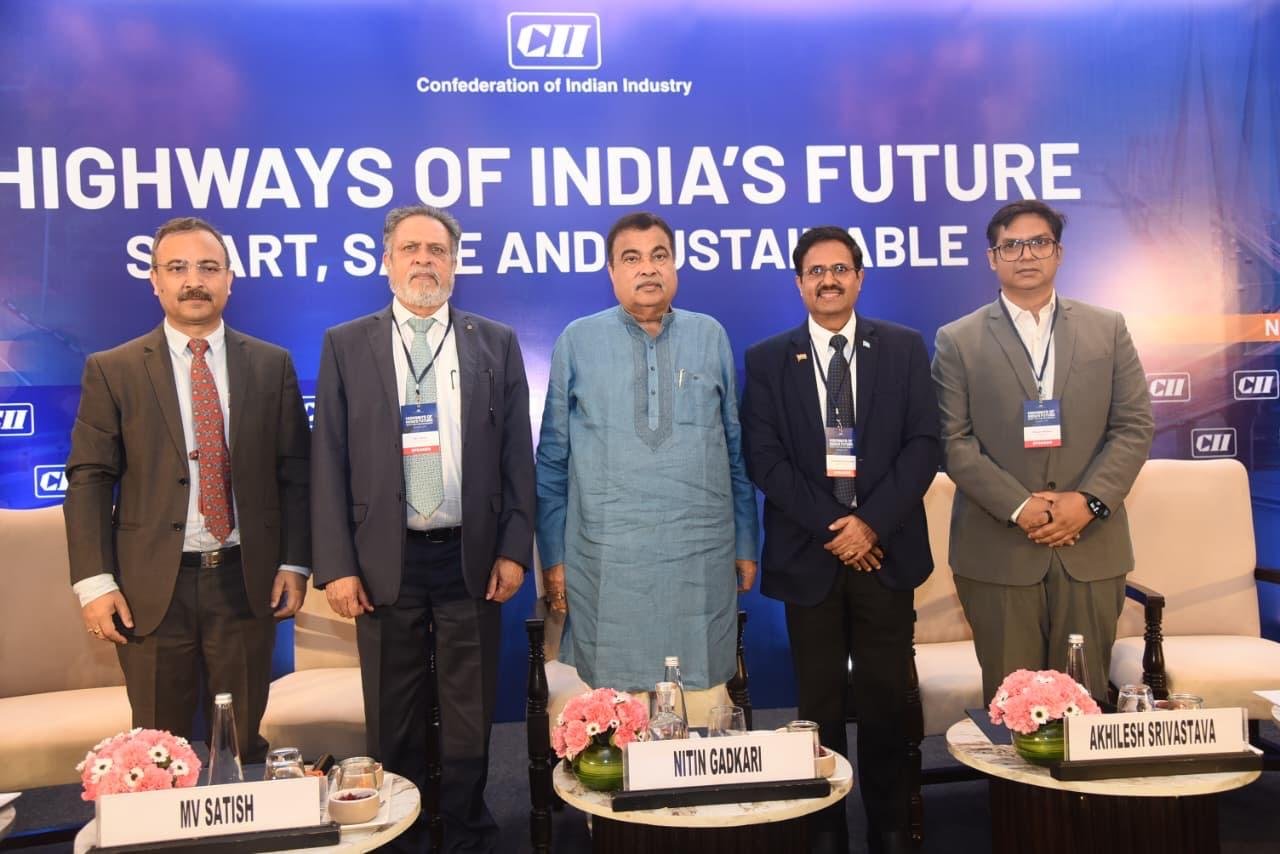
My sincere thanks to Shri Nitin Gadkari Ji for his leadership, and to the CII team, especially Ms. Mamuni Das, for a superbly organised conference.
Let’s build roads that don’t just connect cities, but protect lives.
V2X (Vehicle-to-Everything) lets vehicles communicate with other vehicles, infrastructure, pedestrians and networks to warn of hazards before a driver can see them.
MoRTH has proposed making V2V mandatory for all new L, M and N category vehicles from 1 October 2028 under AIS-230. The final notification is awaited.
Yes. The proposal covers L-category vehicles, including motorcycles and scooters.
Yes. Messages are digitally signed, contain no personal data, and vehicle IDs change frequently to prevent tracking.
Akhilesh Srivastava is President of the ITS India Forum, Chairman of the Bitumen India Forum, Chair of the CII Road Safety Committee and Road Safety Ambassador of the International Road Federation. An IIT gold medallist and former COO of FASTag, he advises governments and global organisations on intelligent transport, digital infrastructure and road safety.
📚 Books & publications | 📰 Media coverage | 🎤 Speaking | 🤝 Book an advisory session
Follow: LinkedIn | X (@Akhilesh_gtl)
WhatsApp us