LinkedIn Post

Driving Change: Road Development in India and the Role of Technology
LinkedIn Post

Transforming India’s Roads: Tech-Driven Solutions for Safety, Sustainability, and Smarter Transportation Systems

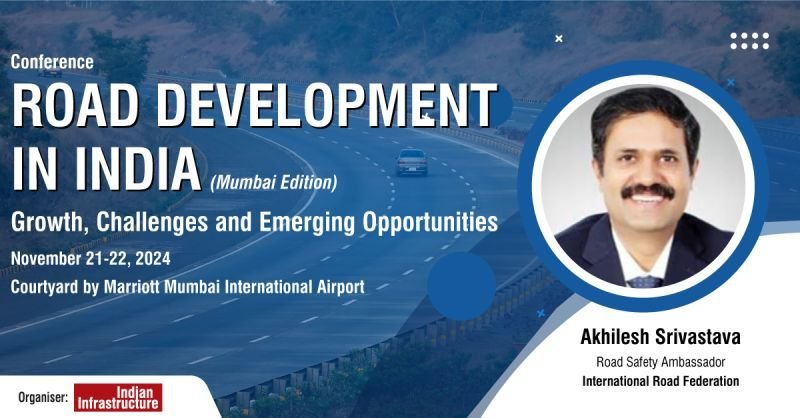
Transforming India’s Roads: Tech-Driven Solutions for Safety, Sustainability, and Smarter Transportation Systems I’ll be speaking at the Road Development in India Conference on November 21-22, 2024, at the Courtyard by Marriott Mumbai International Airport. This event will be extremely insightful for anyone passionate about how roads shape our daily lives and the future of transportation in India. I’ll discuss road safety, some of our fundamental challenges, and how technology-driven solutions can make a difference. However, it’s not just about discussions; it’s about finding ideas that can improve our roads, make travel safer, and support sustainable growth. Even as I write this post and you read it, a few road accidents may have affected a few lives. In 2021, India reported 1,55,732 road crash-related fatalities, as per NCRB India. – Highest in the world, it increased to 168,000 annual road fatalities. The year-on-year increase was nearly 12 %, whereas road fatalities globally decreased by 5%. We need a different solution. This is why conversations like the ones we’ll have at this conference are so meaningful.Intelligent Transportation Systems present an integrated solution that combines Human (driver), Infrastructure, and Vehicle technologies to address this issue effectively through the convergence of multiple advanced technologies. ·   Vehicle-to-Everything (V2X)·   Advanced Driver Assistance Systems (ADAS)·   Internet of Things (IoT)·   GIS·   Telematics and Edge Computing·   Artificial Intelligence (AI) We need bottom-up and top-down approaches to implement it. The bottom-up approach is for every driver and vehicle using technology, while the top-down approach is for policymakers.. (1) Drivers: Human Behaviour –(a)  Driver’s driving behavior can be measured as a Safe Driving Score using tech and help improve the DL system and provide focused training.(b) Rewards for good SDS and penalties for poor scores can improve driving behavior.(c)  Incentives in Registration Fee and Insurance Premium: Drivers with better Safe Driving Scores.(d) Scale awareness through social media platforms- take advantage of India’s leading position in using DM platforms.(e)  Improve School Zone Safety– prepare responsible next-gen. (2) Vehicles·  Connected Vehicles: Many developed countries have already implemented it. The government must allocate the globally accepted 5.9 GHz spectrum for V2X without any further delay, as this will improve road safety.· ADAS System in vehicles with collision prevention sensors and linking it with Insurance·  E-Call Button in vehicles for Emergency·  Incentives in Registration Fee and Insurance Premium of vehicles with better Safety Tech ADAS, V2X, etc. Together, we can explore how to maximize the use of technology to create safer, more efficient roads that save lives and drive sustainable growth across the country. If this is something you’re passionate about, too, I’d love to see you at the event or look for your suggestions. Looking forward to being part of this important conversation with all of you! Originally shared by Akhilesh Srivastava on LinkedIn →
Driving into the Future: Road Safety 2.0 with Intelligent Systems
LinkedIn Post

Revolutionizing Travel: Intelligent Systems for Safer Roads and Driving”

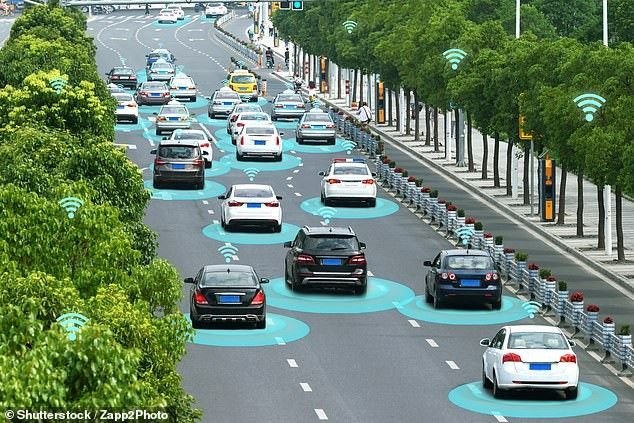
Revolutionizing Travel: Intelligent Systems for Safer Roads and Driving” Imagine if your car could warn you before a mishappening, giving you those critical seconds to react. That’s exactly the promise of Road Safety 2.0! In today’s fast-paced world, staying focused behind the wheel isn’t always easy. Think of the risk of driving late at night or on a long road trip: – Drowsy driver– Unnoticed speed-breakers– Low visibility due to fog An alert system could be the difference between a safe trip and a near miss. Road safety 2.0 addresses these with Intelligent Warning Systems that monitor drivers’ behaviour, altering them if they seem tired or if there’s an immediate hazard. These systems don’t just make driving easier- they save lives. With real-time monitoring, they can detect unusual driving patterns and send reminders, helping prevent accidents before they happen. Imagine the layer of support everyone will get if such techs are installed in every car or public transport. Our roads are evolving; it’s time our safety measures evolve, too. Do you think Road Safety 2.0 will impact your day-to-day travel? Originally shared by Akhilesh Srivastava on LinkedIn →

From Party to Tragedy: A Wake-Up Call for Stricter Alcohol Regulations, Cultural Change, and Road Safety 2.0″
LinkedIn Post

From Party to Tragedy: A Wake-Up Call for Stricter Alcohol Regulations, Cultural Change, and Road Safety 2.0″

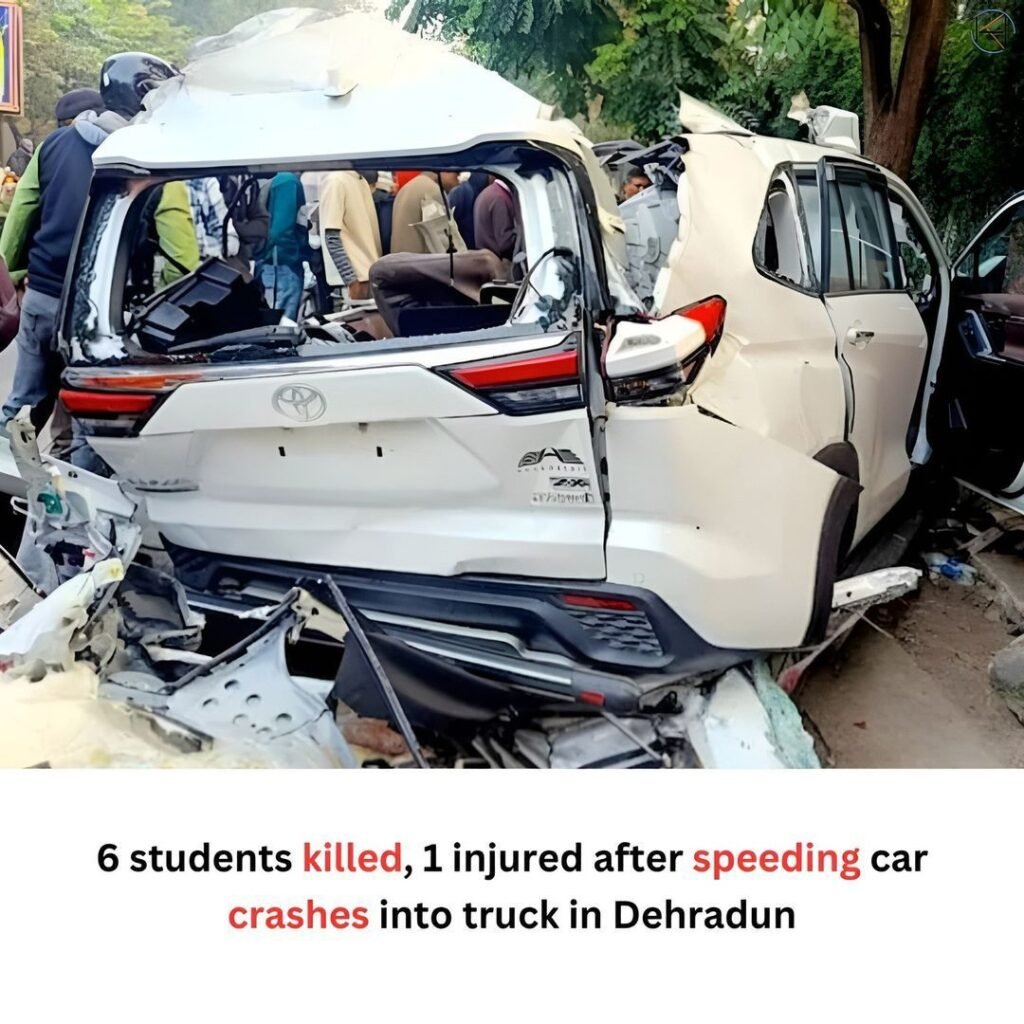
From Party to Tragedy: A Wake-Up Call for Stricter Alcohol Regulations, Cultural Change, and Road Safety 2.0″ After partying till 2 am, 6 youngsters turned a fun night into a tragedy in Dehradun. On 12th November, in a tragic accident, six young lives were lost and one critically injured. CCTV footage revealed that the group was partying and likely drinking alcohol before speeding down the road. Their car, racing at 150 kmph against one another, collided with a truck at midnight, leaving behind shattered families. This tragedy isn’t just about reckless driving. It’s a wake-up call about how we see alcohol. There was a time when drinking was strongly criticized- something society disapproved of. Today, however, it’s flaunted- youngsters take pride in saying, “I drink with my dad, bro,” as a badge of maturity. But at what cost? It’s time we rethink how we normalize drinking. Bringing back societal disapproval is right if it saves lives. Another issue is that they drove unnoticed and unchecked. That is why we need the next-generation solution-> Road Safety 2.0. There are technologies that vehicles can’t start unless the driver breathes in the analyzer attached near the steering. ADAS systems can regulate speed in case of reckless & dangerous driving and trigger information to the nearest police station in real-time. We need private road marshals every 5 Km with walkie-talkies like security guards in building complexes. What do you think?– (a) Do we need stricter regulations on alcohol? or– (b) Do we need to rethink the culture we’re creating around it? or– (c) Implement next-generation road safety solutions Road Safety 2.0 asap? Originally shared by Akhilesh Srivastava on LinkedIn →
VoW Literature fest 2024
LinkedIn Post

VoW Literature fest 2024

VoW Literature fest 2024 As an author myself, I deeply appreciate the hard work, research, and passion that go into creating literature. So, it’s great for me to join the Valley of Words (VoW) Literature Festival in Dehradun on 16th Nov at Dehradun University! This festival celebrates India’s literary and artistic spirit and is known for bringing together people to reflect, discuss and inspire. Today’s youth have the power to question, innovate and shape our future- and literature is one of the best vehicles to inspire these qualities. In a world full of quick answers, literature encourages us to consider the ”why”, and embrace different perspectives. Looking forward to being a part of this discussion! Originally shared by Akhilesh Srivastava on LinkedIn →

Transforming India’s Road Infrastructure: Highlights from the 83rd Annual Session of the Indian Roads Congress
LinkedIn Post

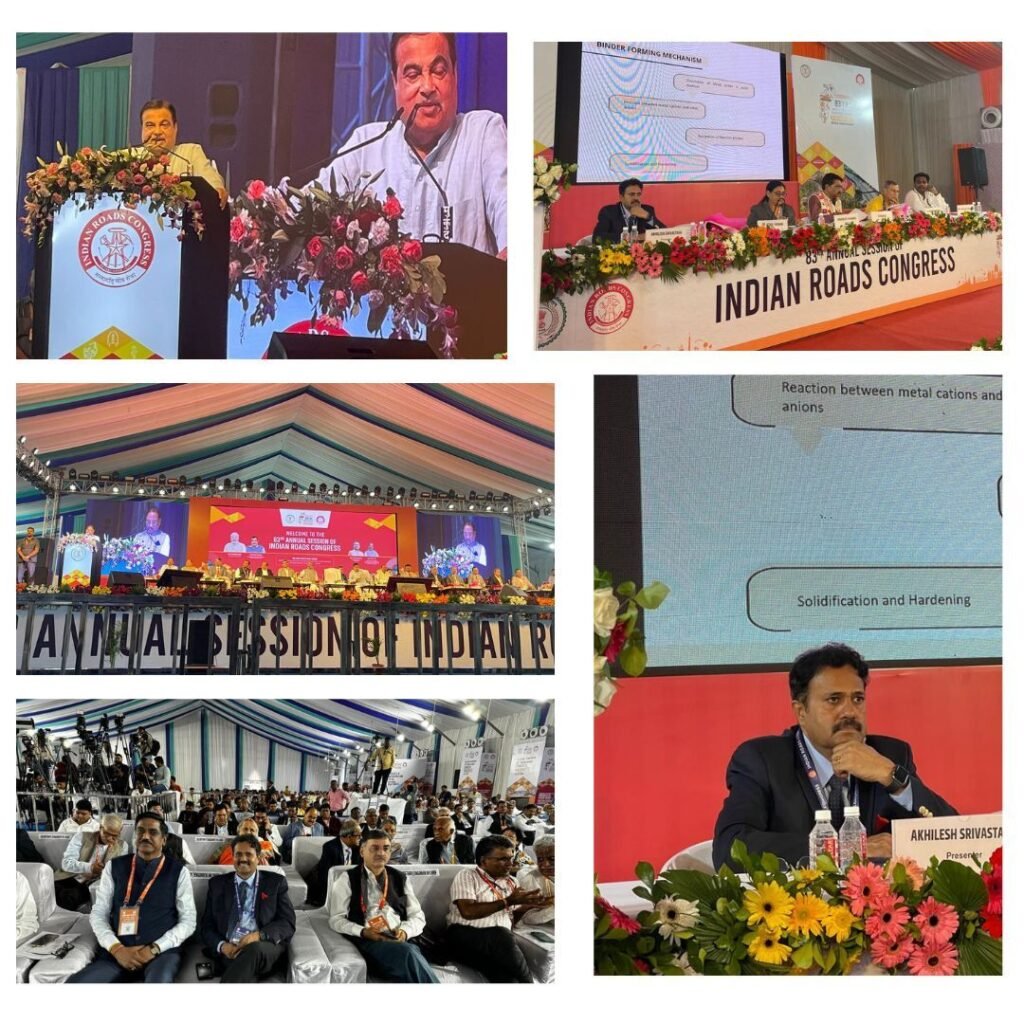
I had the privilege of participating in the 83rd Annual Session of the Indian Roads Congress in Raipur to deliberate on the future of India’s road infrastructure.

Guided by the vision of Honourable Road Transport and Highways Minister Shri Nitin Gadkari Ji, along with the support of Honourable Minister of State MoRTH Shri Ajay Tamta Ji, the Chief Minister of Chhattisgarh, the Deputy Chief Minister, and other dedicated leaders, the event underscored our collective commitment to creating safer, more efficient, and smarter roads for all.

Scroll to Top