


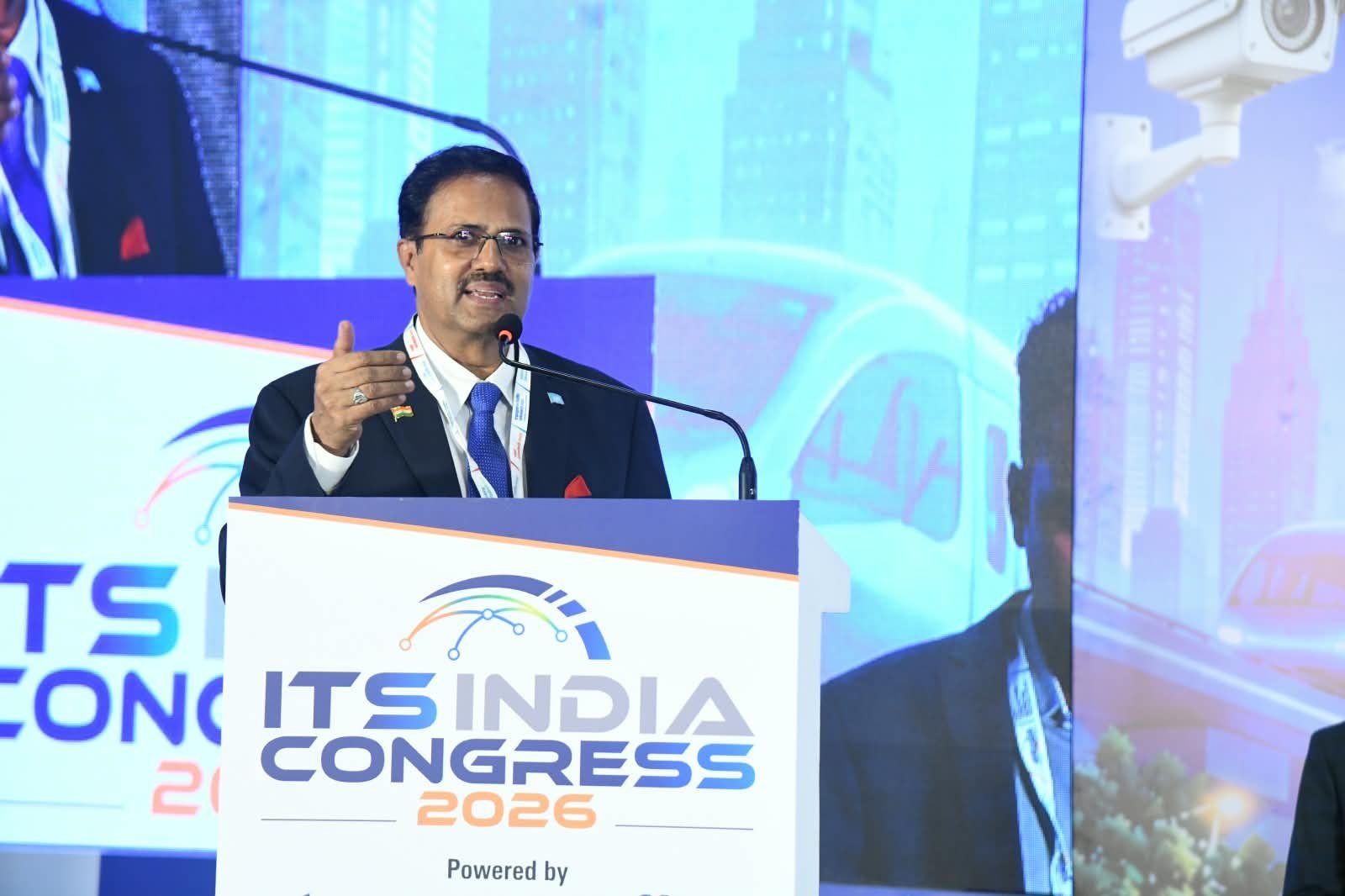
At Bharat Mandapam, New Delhi, ITS India Congress 2026 brought government, industry and academia together to move beyond standalone technology solutions, towards one connected, integrated and intelligent mobility ecosystem for Viksit Bharat 2047
New Delhi, 7–8 October 2026: When we talk about Viksit Bharat 2047, we must ask ourselves a simple but important question: what should India’s transport system look like by then?
That question set the tone for ITS India Congress 2026, held at Bharat Mandapam, New Delhi and powered by Transport + Traffic Infratech Expo. Under the theme “Driving the Future of Intelligent Transportation: Connected, Integrated & Intelligent Mobility for Viksit Bharat 2047”, the Congress brought together stakeholders from across the intelligent transportation systems (ITS) ecosystem, including policymakers, transport agencies, technology providers, researchers and international ITS partners, to discuss how technology and infrastructure can shape India’s mobility future.
As President of ITS India Forum, I see this conversation as an opportunity to move beyond individual technology solutions and work towards a more integrated transport system, one in which highways, cities, vehicles, logistics networks and people are connected by design.
INAUGURAL SESSION
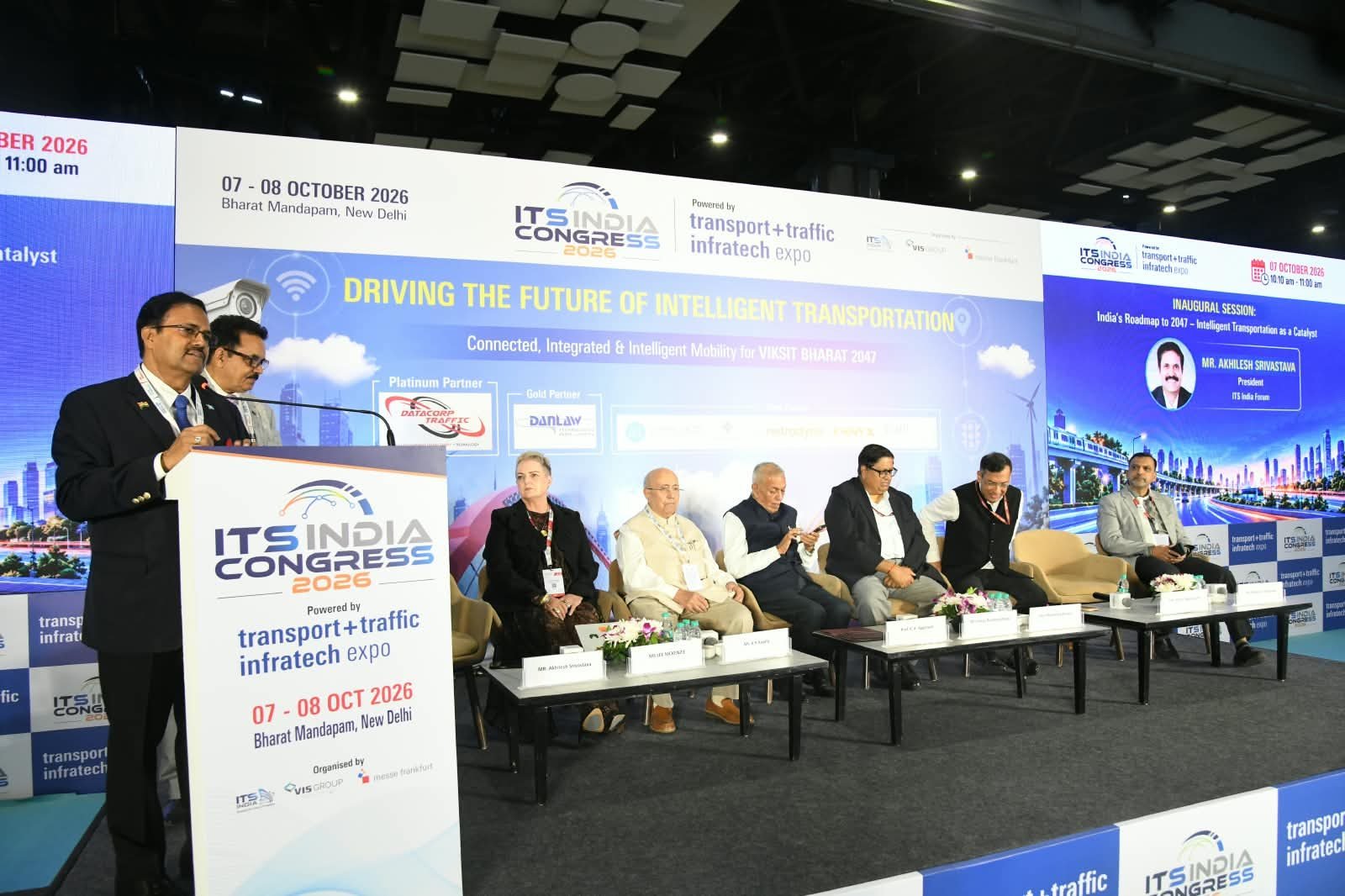
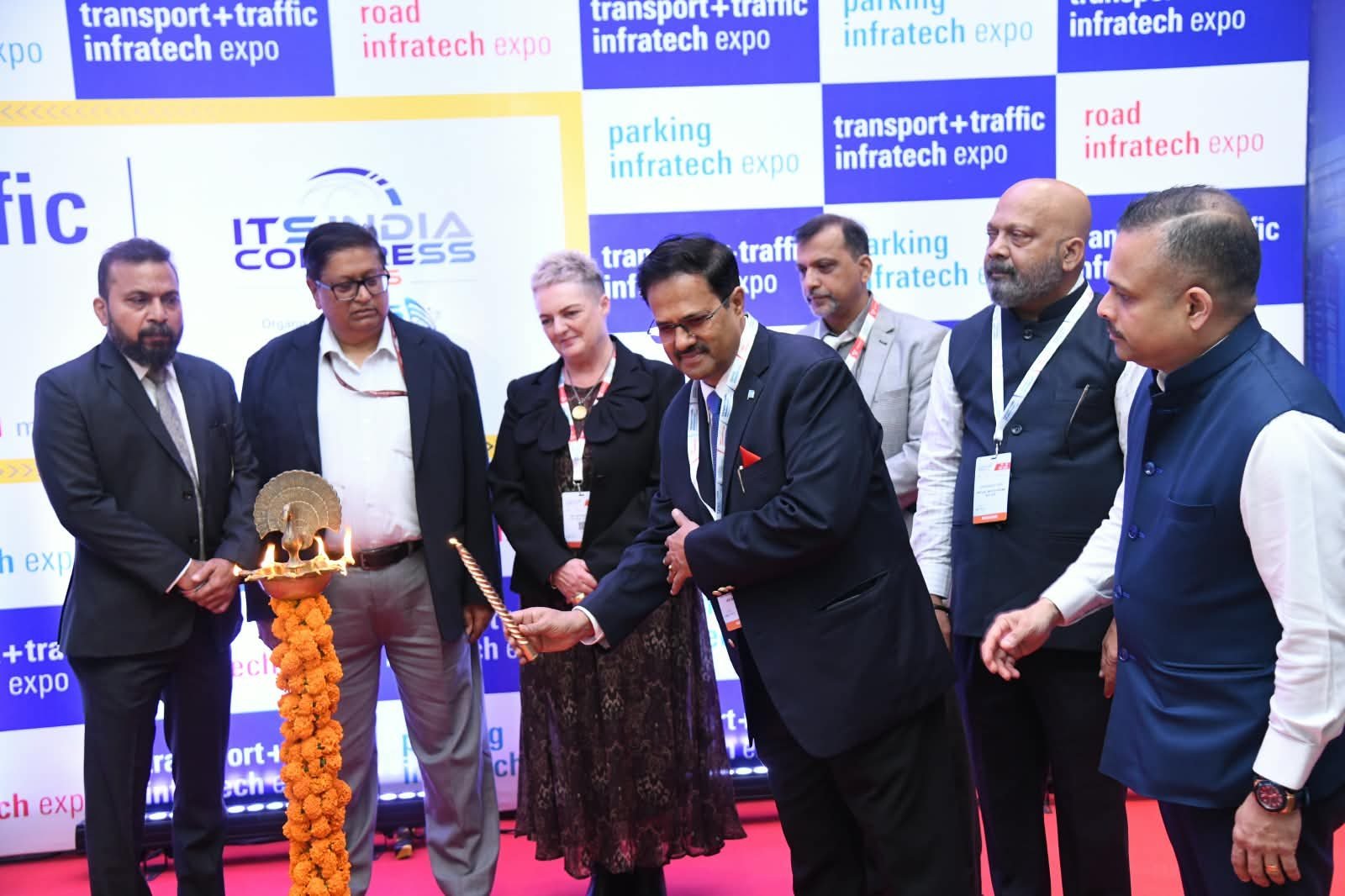
The Congress opened with the inaugural session “India’s Roadmap to 2047: Intelligent Transportation as a Catalyst” on 7 October 2026. Organised by ITS India Forum, VIS Group and Messe Frankfurt, the inauguration also featured the traditional lamp lighting and the opening of the Transport + Traffic Infratech Expo, alongside Parking Infratech Expo and Road Infratech Expo.
Five key roadmaps were brought into focus at ITS India Congress 2026. Each one addresses a different part of India’s mobility challenge, but together they describe the transport system the country needs by 2047:
Every intelligent transport investment must ultimately be measured by what it delivers to citizens. Citizen-centric mobility means designing transport around people’s safety, accessibility and convenience, not around individual assets or technologies.
For India, where road safety remains one of the most urgent public priorities, this is the lens through which every ITS deployment should be evaluated.
India’s tolling journey has already moved from cash lanes to FASTag. The next step is to move beyond toll plazas towards a unified Road User Charging framework that covers free-flow tolling, congestion pricing and other road user services.
A next-generation RUC framework can combine technologies such as automatic number plate recognition (ANPR), RFID and satellite-based positioning to charge road users fairly without stopping traffic. Done right, it reduces delays and fuel wastage at plazas, improves revenue transparency and gives cities a practical tool to manage demand on congested corridors.
Connected mobility enables vehicles and infrastructure to exchange information for safer, more efficient journeys. When traffic signals, roadside units, highway traffic management systems and vehicles share data in real time, hazards can be flagged earlier, signal timings can respond to actual demand and drivers can make better decisions.
But connected vehicles become truly useful only when the surrounding infrastructure can respond to the information they share. That is why vehicle technology and road infrastructure must be planned together, on common standards. Cities are already moving in this direction, as seen in Delhi’s AI-enabled Intelligent Traffic Management System.
India’s growth depends on moving both people and goods efficiently. Multimodal mobility and logistics is about connecting different transport networks, including roads, rail, metro, buses, ports, airports and last-mile services, so that a journey or a shipment flows seamlessly from one mode to the next.
Integrated ticketing, shared data platforms, smart freight corridors and coordinated planning across agencies can lower logistics costs, cut emissions and make public transport a more attractive choice for millions of commuters.
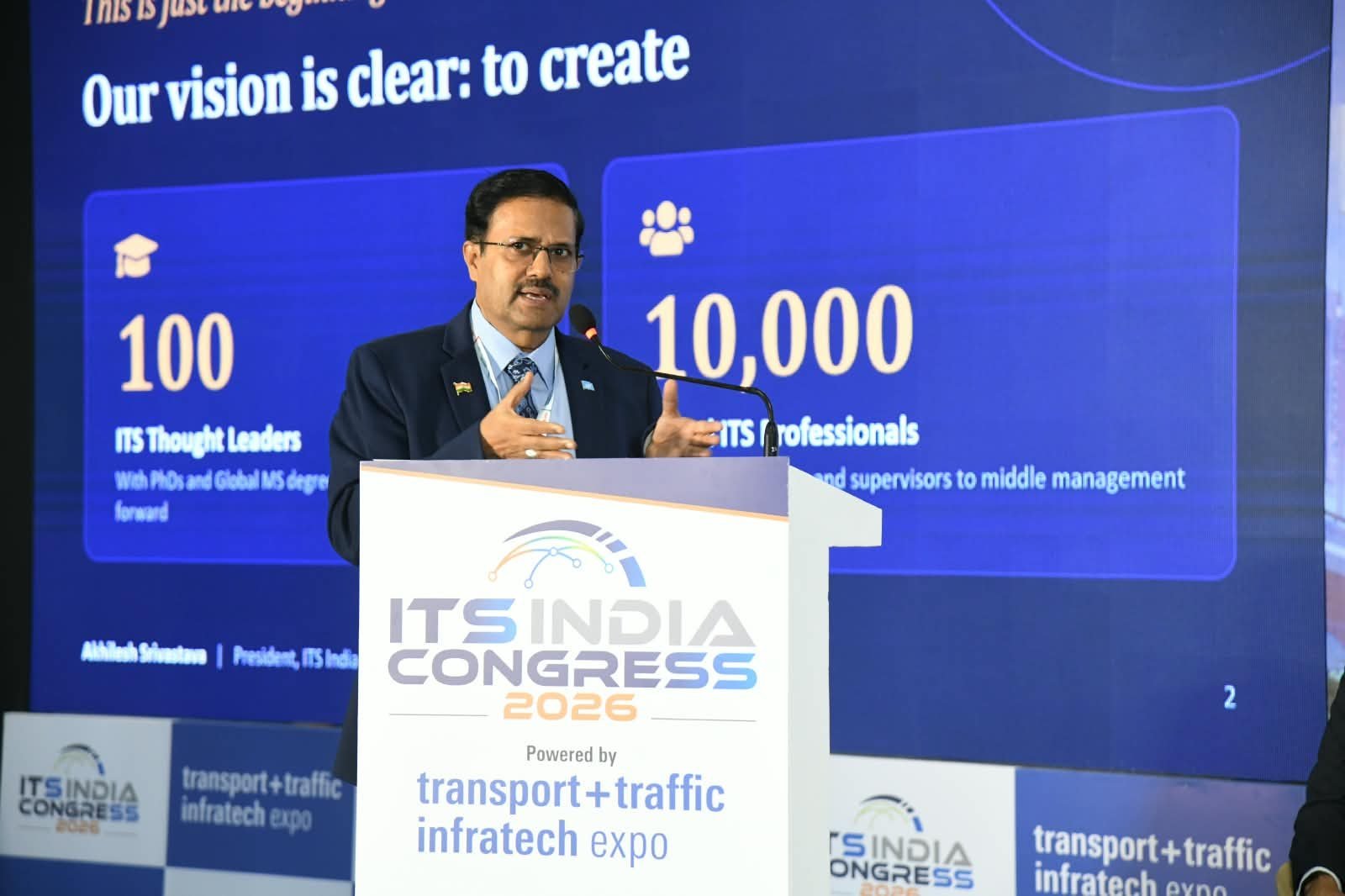
Technology alone does not transform transport; people do. Recognising this, ITS India Forum has already launched an Executive PhD and a Global MS in Intelligent Transportation Systems with South Asian University, with the aim of training over 10,000 ITS professionals in the next three years.
OUR VISION: 100 + 10,000
To develop 100 ITS thought leaders with PhDs and Global MS degrees who will take the sector forward, and 10,000 ITS professionals, from supervisors to middle management, who will plan, deploy and operate intelligent transport systems across India.
“These priorities are interconnected. A smarter highway has greater value when it can communicate with the wider transport network.”
AKHILESH SRIVASTAVA, PRESIDENT, ITS INDIA FORUM
Connected vehicles become more useful when the surrounding infrastructure can respond to the information they share. And none of this scales without skilled people to design, build and run it.
Siloed deployments, such as a tolling system in one place and a signal upgrade in another, deliver limited value. An integrated approach built on common data standards and interoperable platforms allows every investment in intelligent transportation systems to strengthen the others.
The task ahead is to bring technology, infrastructure, policy and talent together through stronger collaboration across government, industry and academia. ITS India Congress 2026 showed a clear appetite for this kind of partnership, from the inaugural session on India’s roadmap to 2047 to the technology showcase at the Transport + Traffic Infratech Expo and the participation of international ITS partners.
ITS India Forum will continue to work with Central and State agencies, industry and academic institutions to turn these five roadmaps into standards, pilots and deployments on the ground.
“As we work towards Viksit Bharat 2047, we must build a transport ecosystem where these systems work together, not in isolation.”
AKHILESH SRIVASTAVA, PRESIDENT, ITS INDIA FORUM
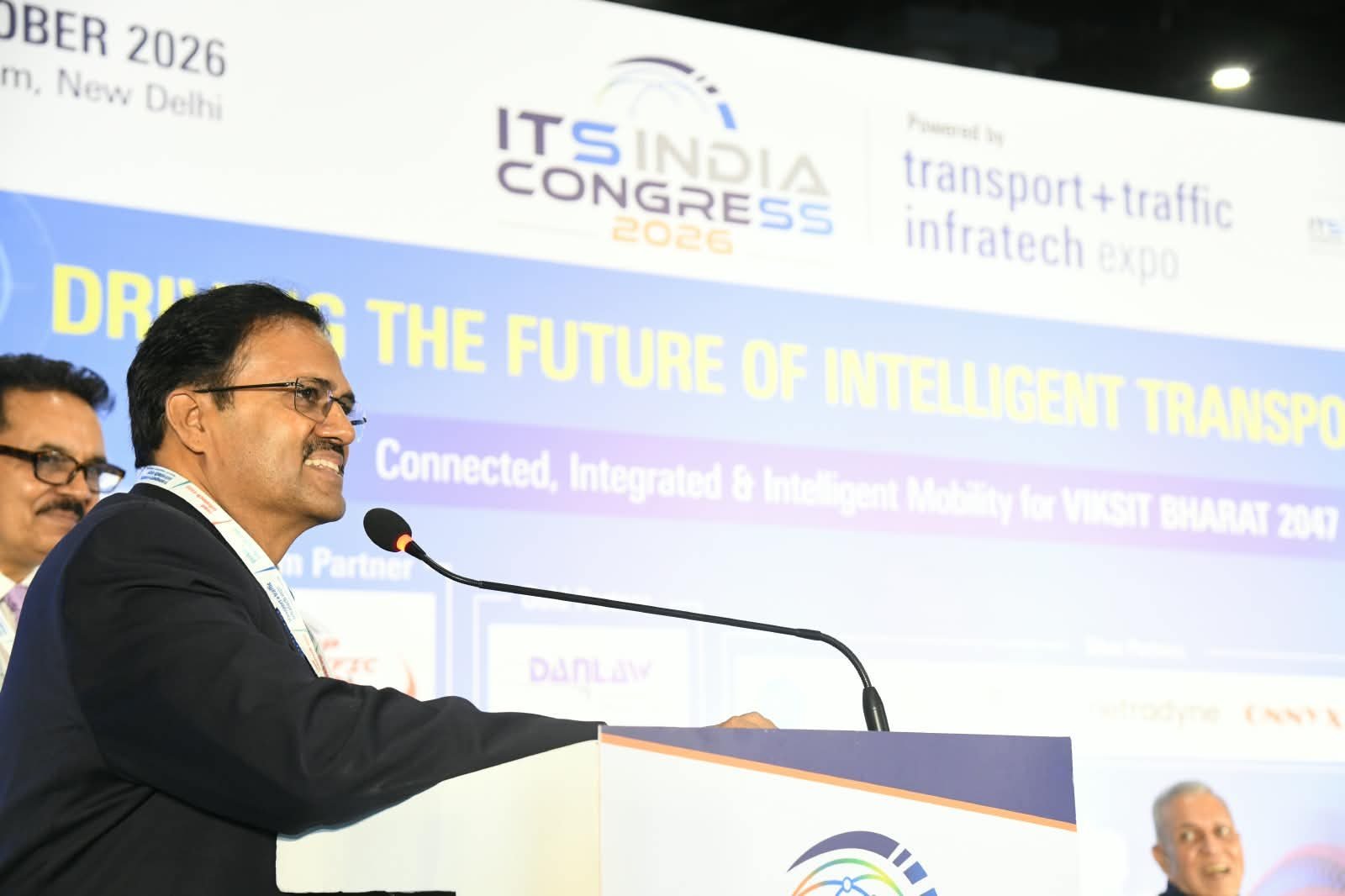
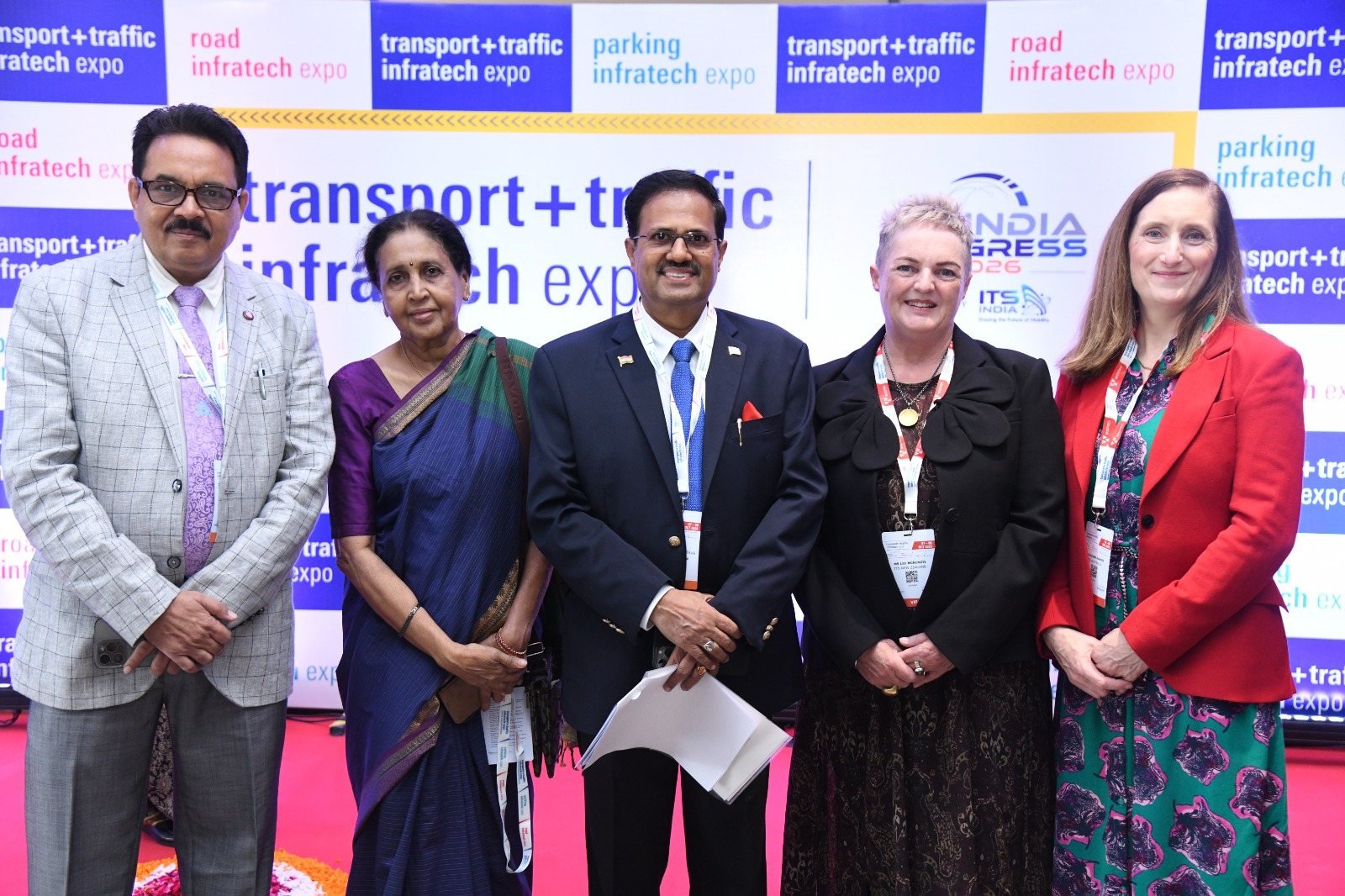
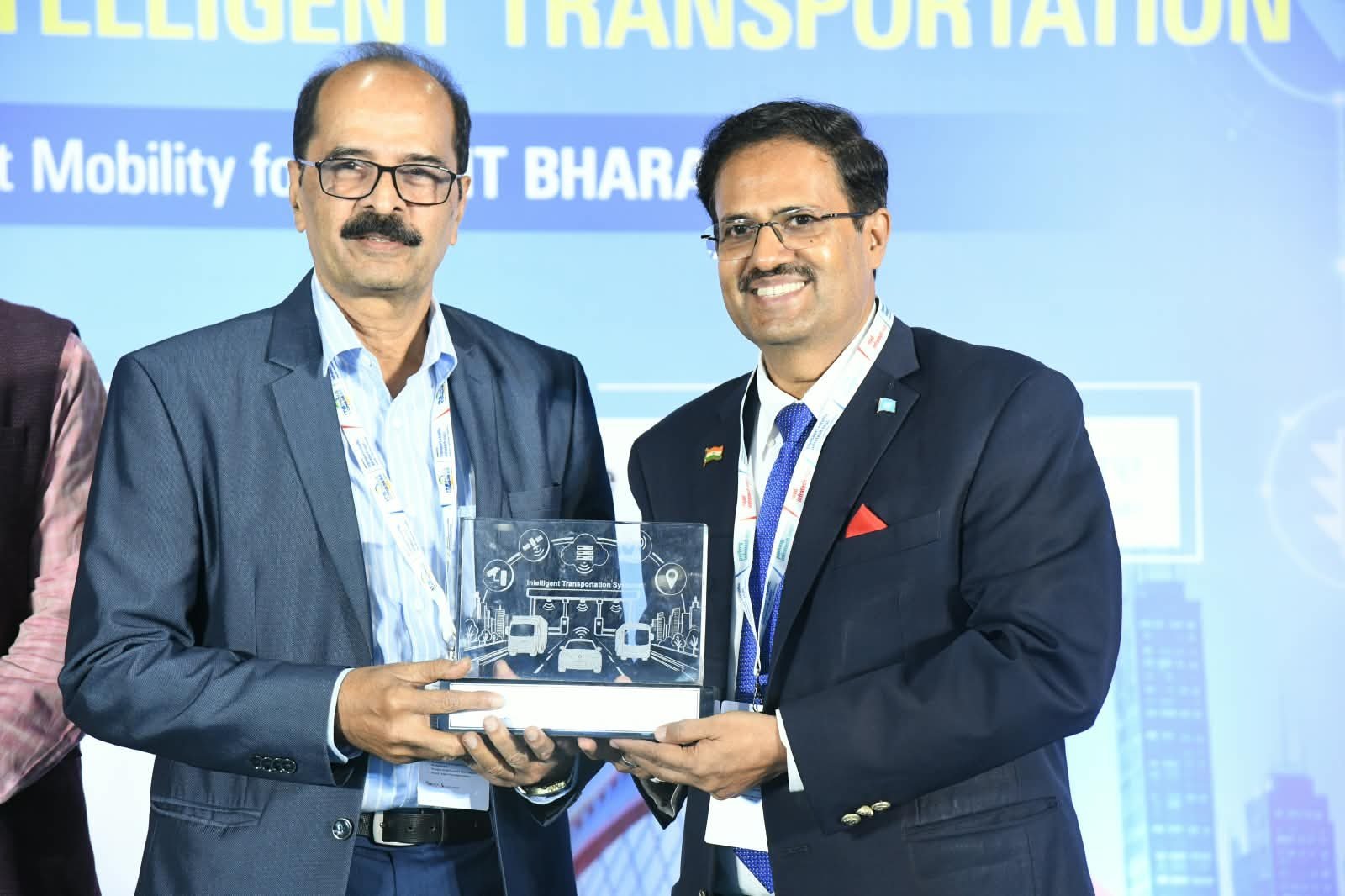
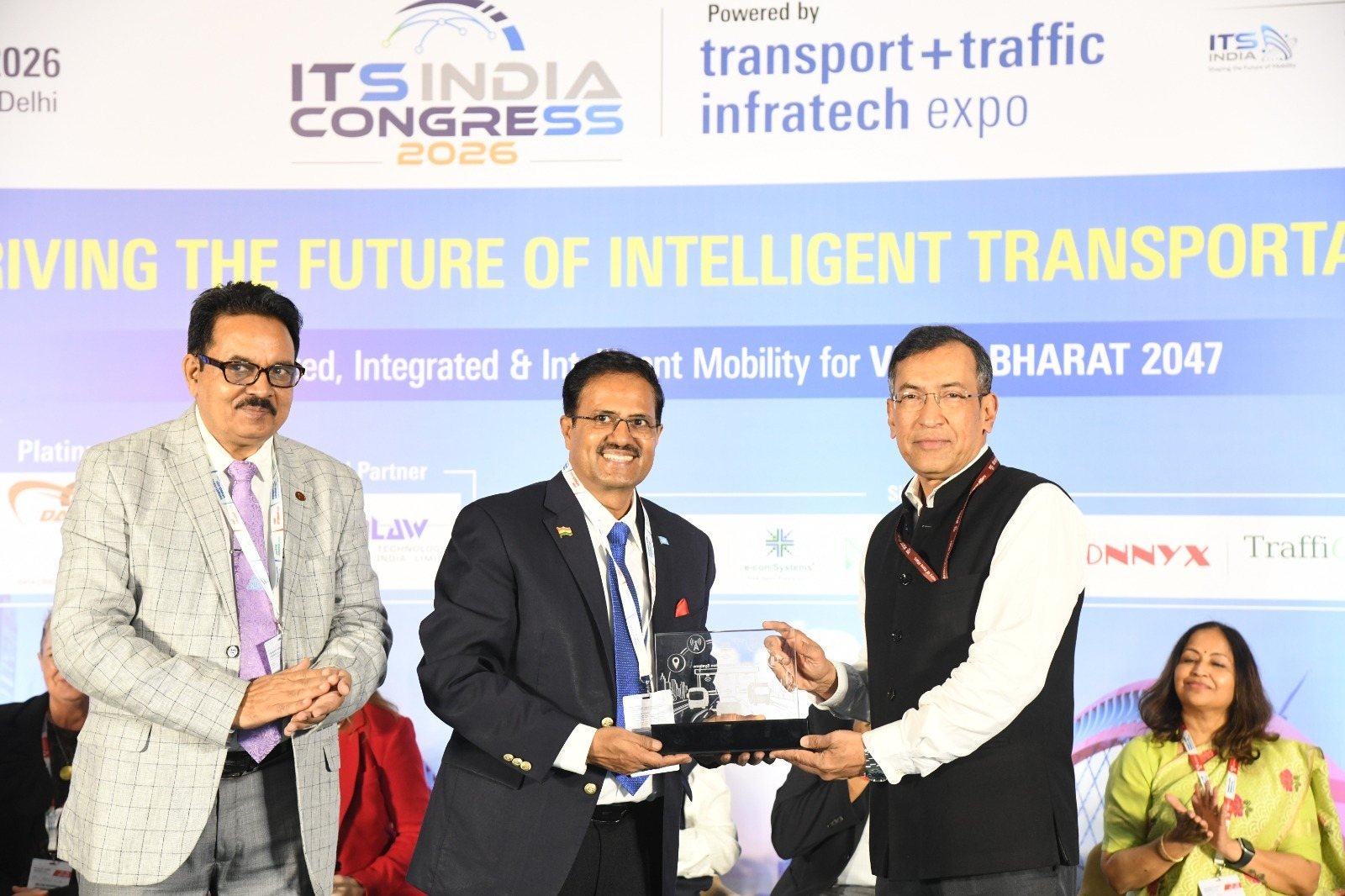
Moments from the inauguration, keynote sessions and felicitations at Bharat Mandapam, New Delhi. Click any photo to view it in full size, or browse more event photos in the photo gallery.
ITS India Congress 2026 was held on 7–8 October 2026 at Bharat Mandapam, New Delhi. It was powered by Transport + Traffic Infratech Expo and organised by ITS India Forum, VIS Group and Messe Frankfurt.
The theme was “Driving the Future of Intelligent Transportation: Connected, Integrated & Intelligent Mobility for Viksit Bharat 2047”.
Citizen-centric mobility, next-generation Road User Charging (RUC), connected mobility, multimodal mobility and logistics, and capacity building.
It is a unified framework that moves beyond toll plazas to cover free-flow tolling, congestion pricing and other road user services, so that road users are charged fairly without stopping traffic.
ITS India Forum has launched an Executive PhD and a Global MS in Intelligent Transportation Systems with South Asian University, aiming to train over 10,000 ITS professionals in the next three years.
ITS India Forum is India’s national think tank for Intelligent Transportation Systems and smart mobility. Established in September 2023, it brings together 50+ members from industry, Government, academia and research, with 10 IITs as Knowledge Partners and research partners including CSIR–CRRI and AITD. The Forum has published 20+ study reports, including India’s first comprehensive ITS Market Survey and Report, and serves on the Boards of the ITS Asia-Pacific Forum and the ITS World Congress. It advances policy, standards, technology validation, research and capacity building to enable safer, smarter and more sustainable transport for Viksit Bharat @2047.
Reshaping the Future of Mobility
Media Contact: ITS India Forum | itsindiaforum.com
###
© 2026 Akhilesh Srivastava. All Rights Reserved.
WhatsApp us